Carlo Scarpa (1906–1978) is regarded as one of the most important Italian architects and designers of the 20th century, yet outside architectural circles his name long remained obscure. His most famous work is the renovation of the Castelvecchio Museum in Verona; in product design, he is known for his glass works for Venini.
Born in Venice, he studied architecture at the Royal Academy of Fine Arts there, combining artisanal training with academic study.
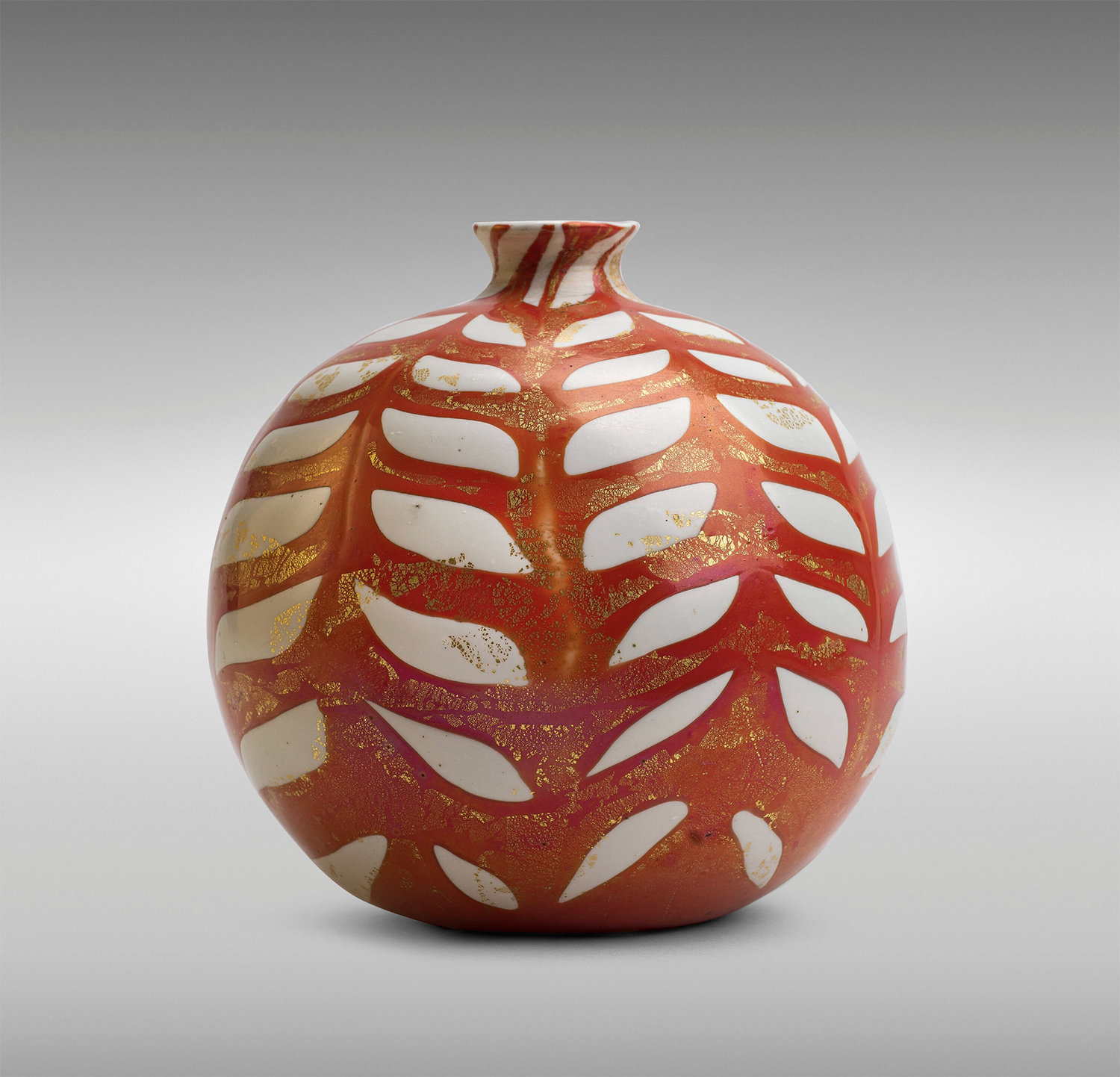
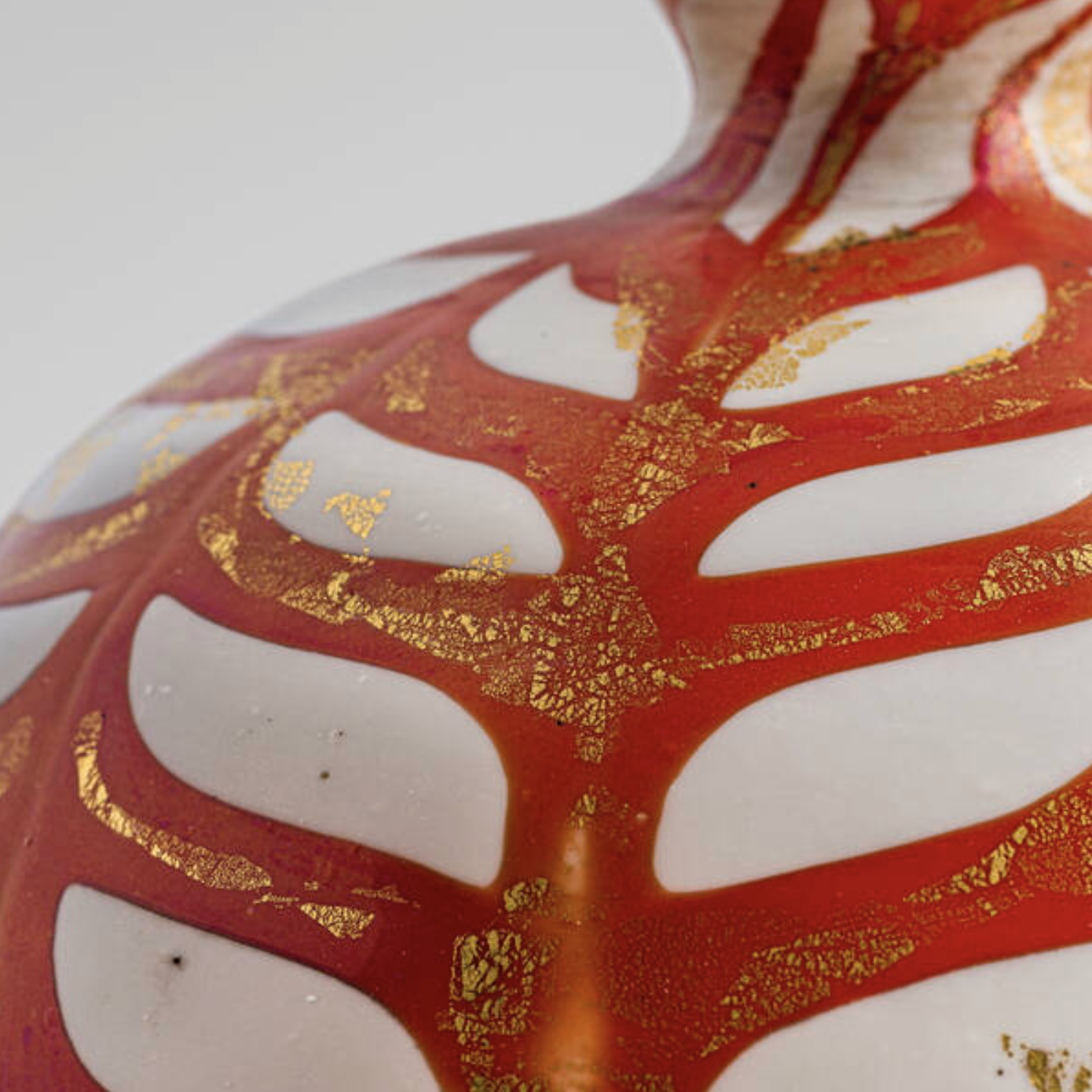
Decoro Finicio vase, model 5932 by Cappellin, 1928-29; lattimo glass with coral-red decoration and gold leaf (14 × 13 cm) sold 2020 via Wright for $112,500.
His first professional opportunity came through glass. Scarpa’s collaboration with M.V.M. Cappellin began in 1926, encouraged by the personal enthusiasm of the founder Giacomo Cappellin. Initially, Scarpa often worked in the background, translating Cappellin’s ideas into form. Over time, however, he asserted a growing independence, developing a language that was increasingly precise, geometric, and materially self-aware.
His works were hugely successful at the 1930 Triennale: vases in bright colours, decorated with gold and silver applications, iridescent or in classic shapes.
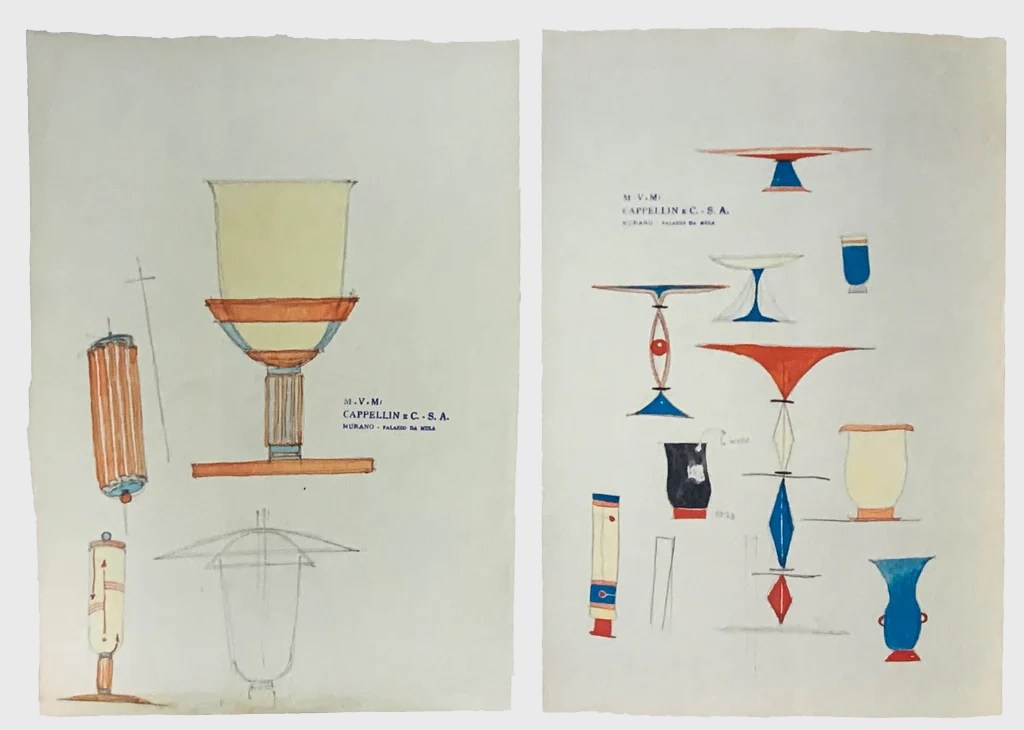
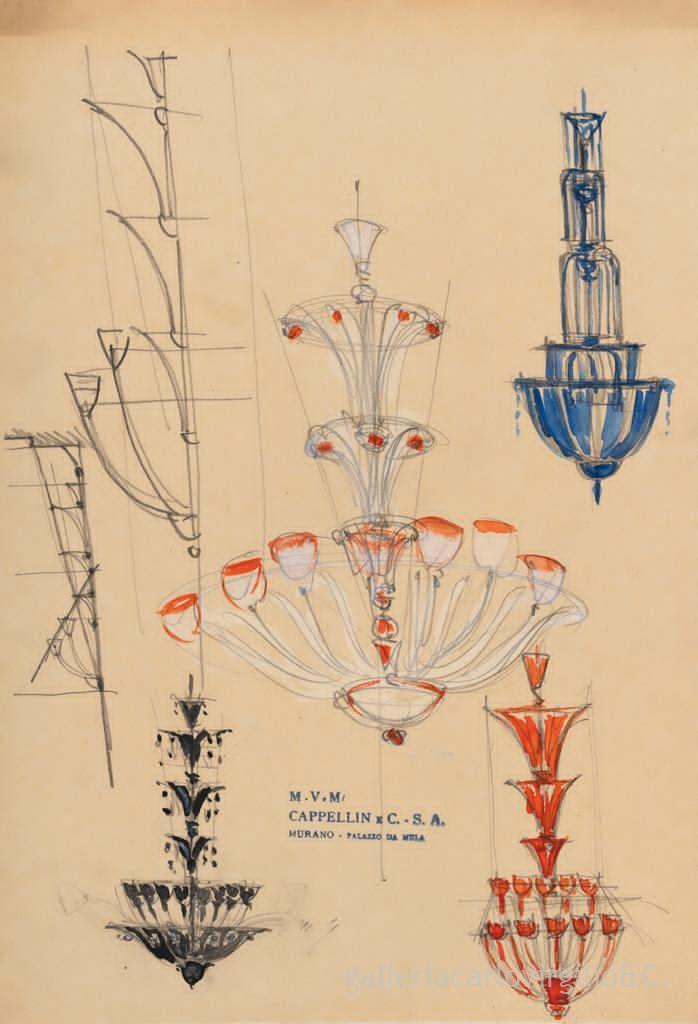
Studies and drawings for glass by Carlo Scarpa for Cappellin.
Remaining with the firm until its closure in 1932 – partly a consequence of the economic crash of 1929 – Scarpa used Cappellin as a laboratory. The glassworks’ output during these years was remarkably diverse: playful animal figures, stained-glass compositions, vases in a wide range of typologies, and technically ambitious showpieces.
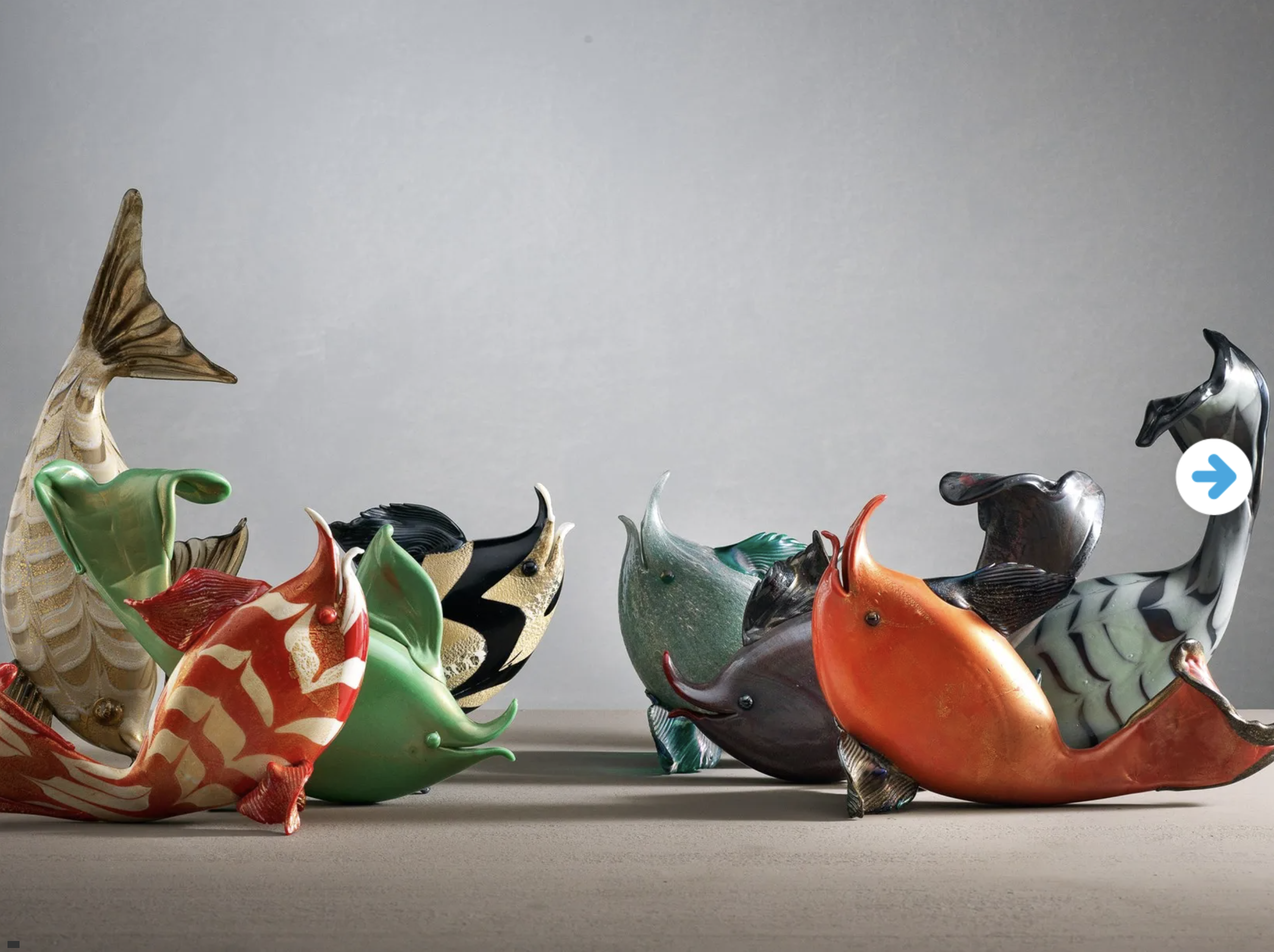
While animal forms were common in Murano glass of the period, they are not typically associated with Scarpa, revealing a lesser-known side of his practice in which formal rigor briefly gives way to irony and narrative expression. Fish in polychrome glass, 1928–29. Photo: Enrico Fiorese.
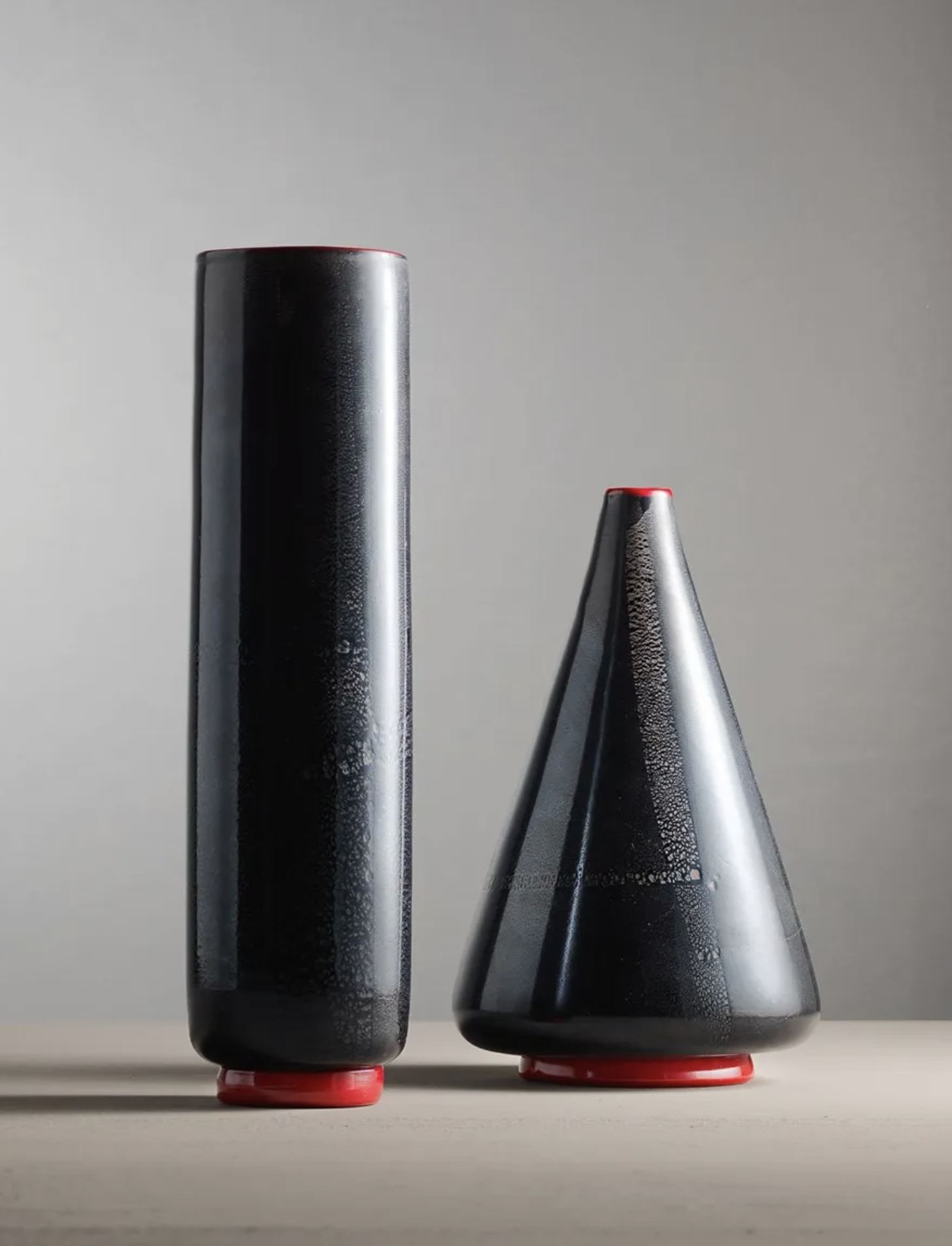
Vases in black glass with applied silver leaf and finishings in coral-red, “pasta vitrea”, c.1930. Photo Enrico Fiorese
Central to Scarpa’s contribution is the systematic exploration of glass itself. Traditional techniques such as filigrana a reticella and decoro fenicio are reinterpreted for modern production, while opaque glass – often so dense it is not immediately recognizable as glass – is used in bold, saturated colors to emphasize volume and surface rather than transparency. These experiments reveal Scarpa’s emerging conviction that glass could function architecturally, not decoratively.
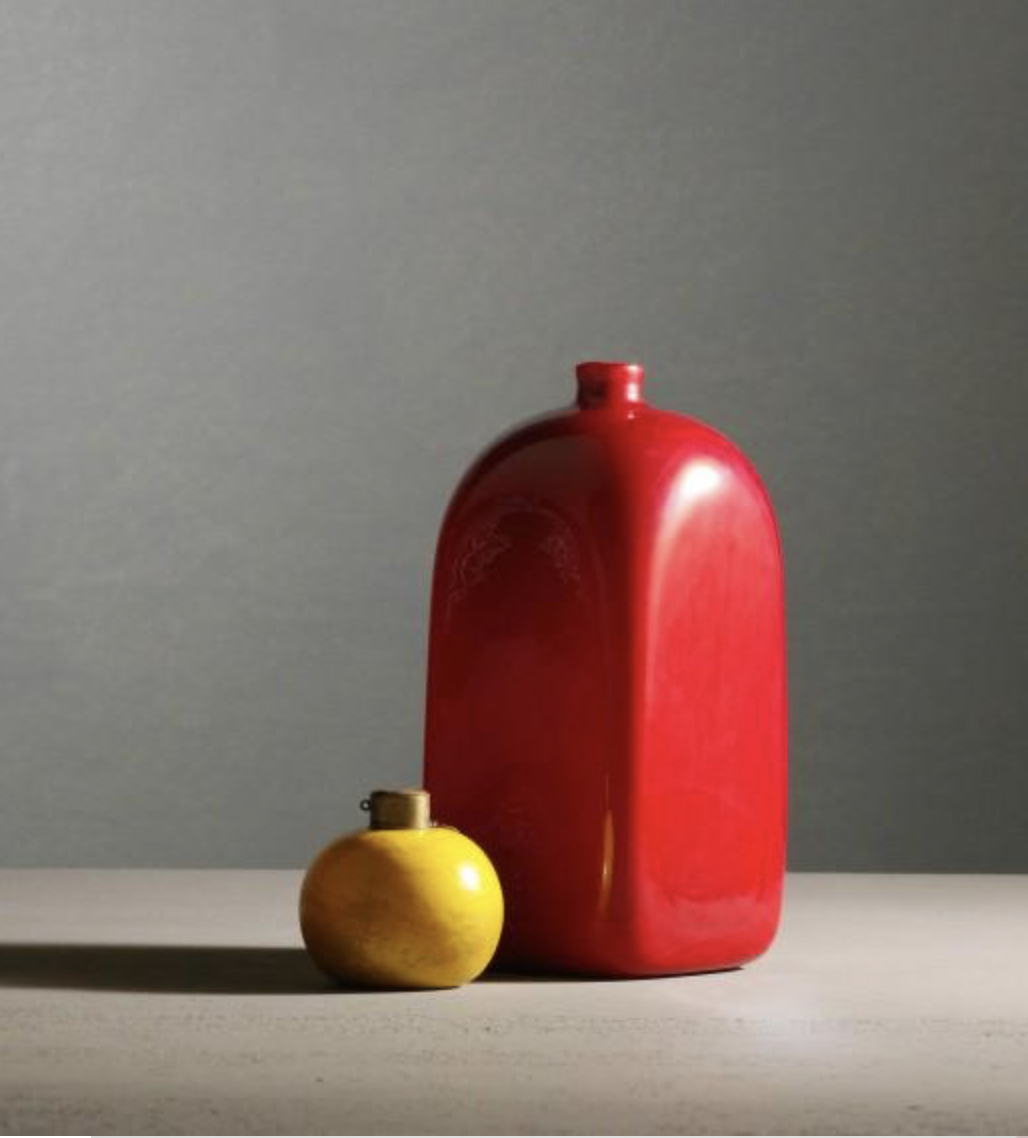


From the book The M.V.M. Cappellin Glassworks and the Young Carlo Scarpa 1925-1931, edited by Marino Barovier and Carla Sonego, published by Skira.
 Design is fine. History is mine.