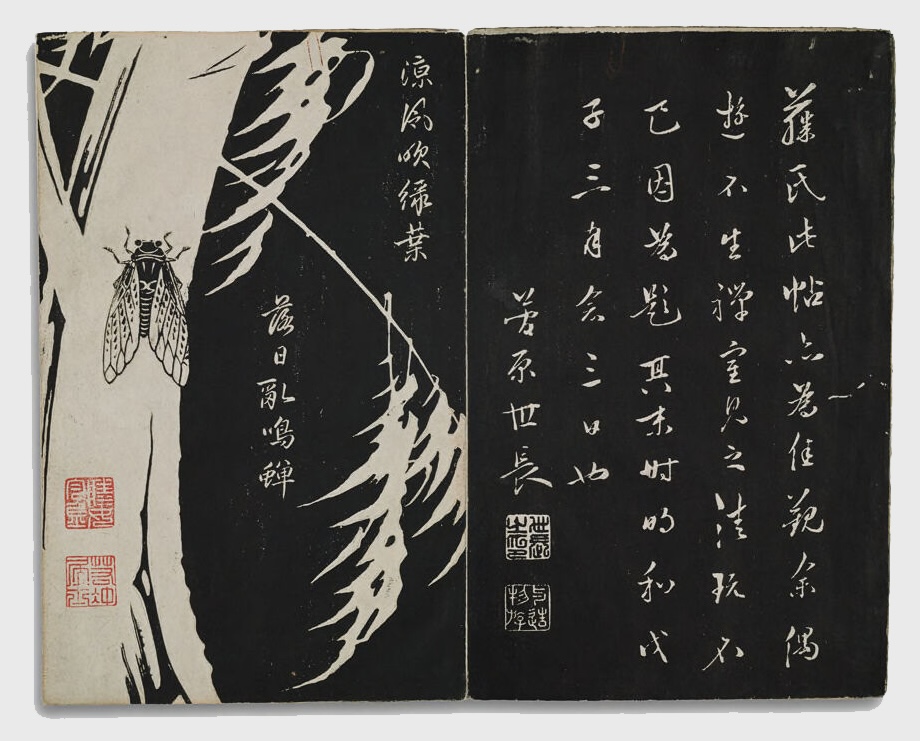
During a Sumi-e workshop I was introduced to the japanese artist Ito Jakuchu (1716-1800), and what a discovery. I am particularly fascinated by the book “Genpo yōka”, which is why it has to find its way into my blog. So radically reduced and utterly beautiful.
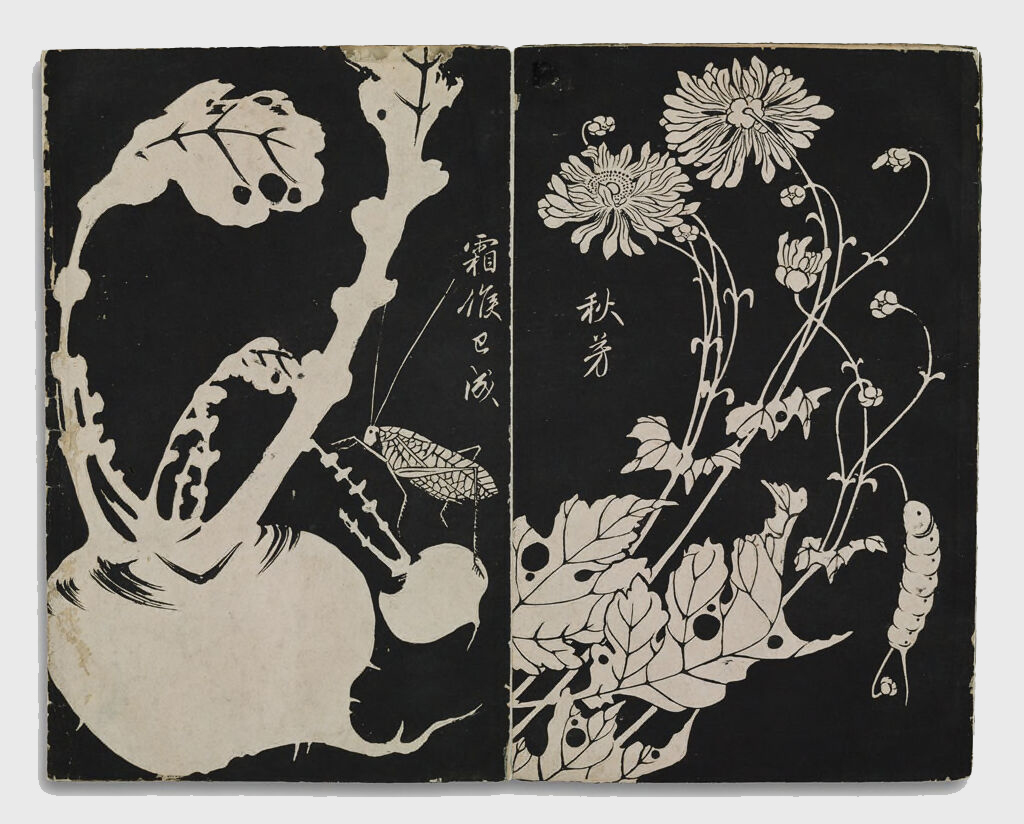
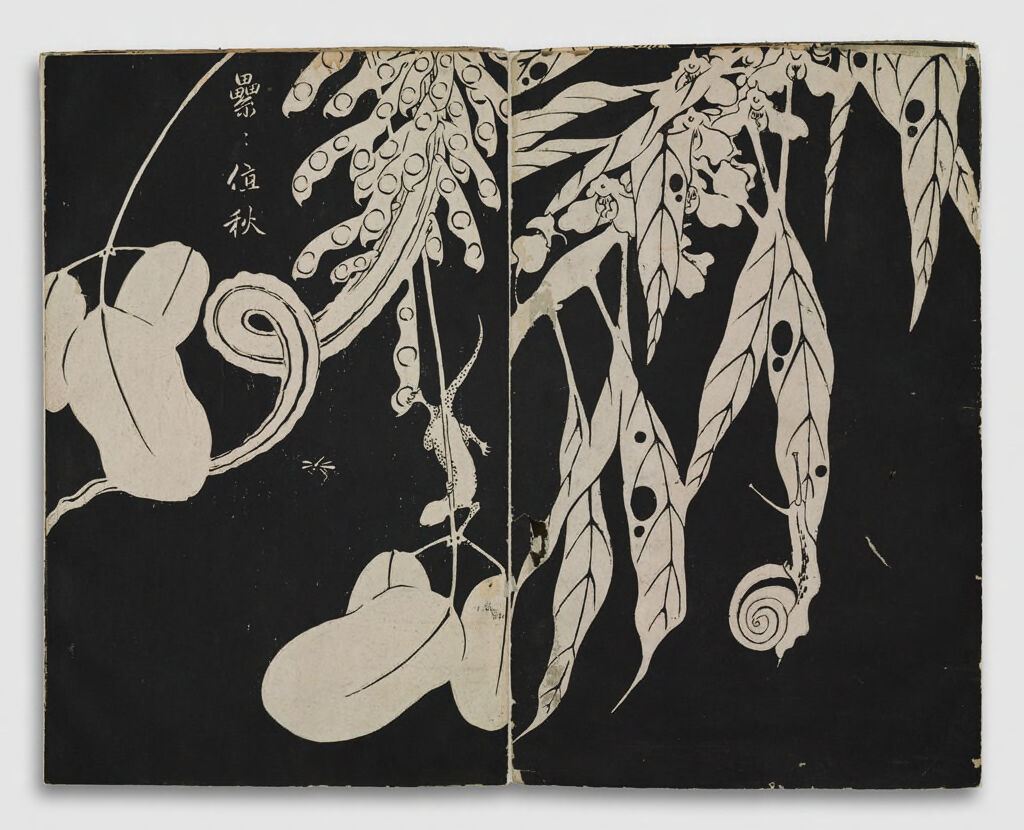
Jakuchu was renowned for his vivid, colorful paintings of flowers and birds, but his graphical sensibilities are also apparent in monochrome works like this one. Genpo yōka means “Flowers from the Kunlun Mountains” or “Exquisite Flowers from the Realm of the Immortals”, it is a collection of 48 drawings. The realm mentioned in the title is where the Taoist immortals live, while the exquisite flowers refers to flowers as beautiful as jewels. As these words suggest, this is a work filled with a sense of unearthly beauty.
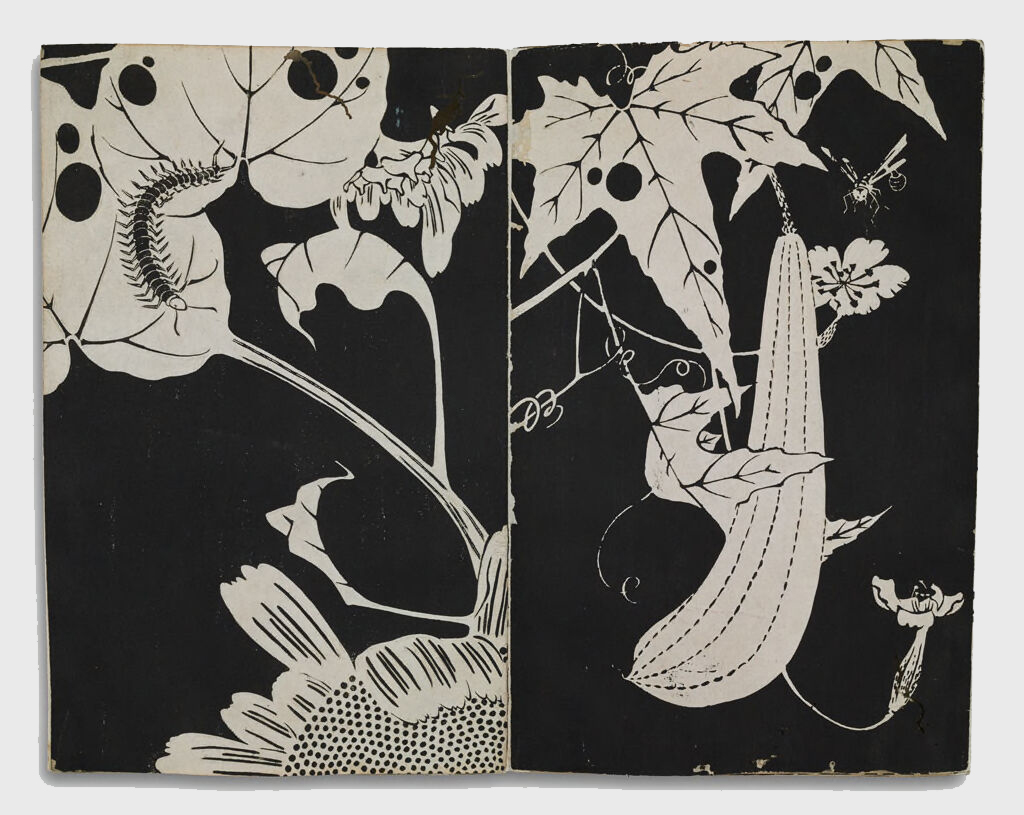
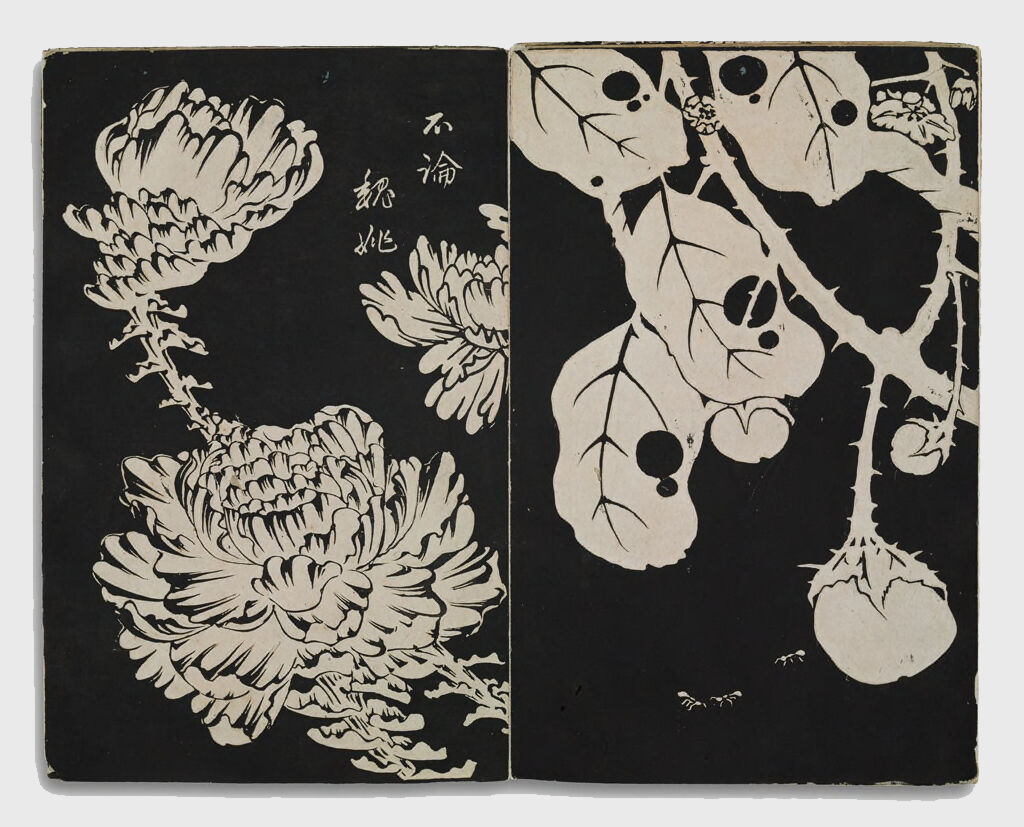
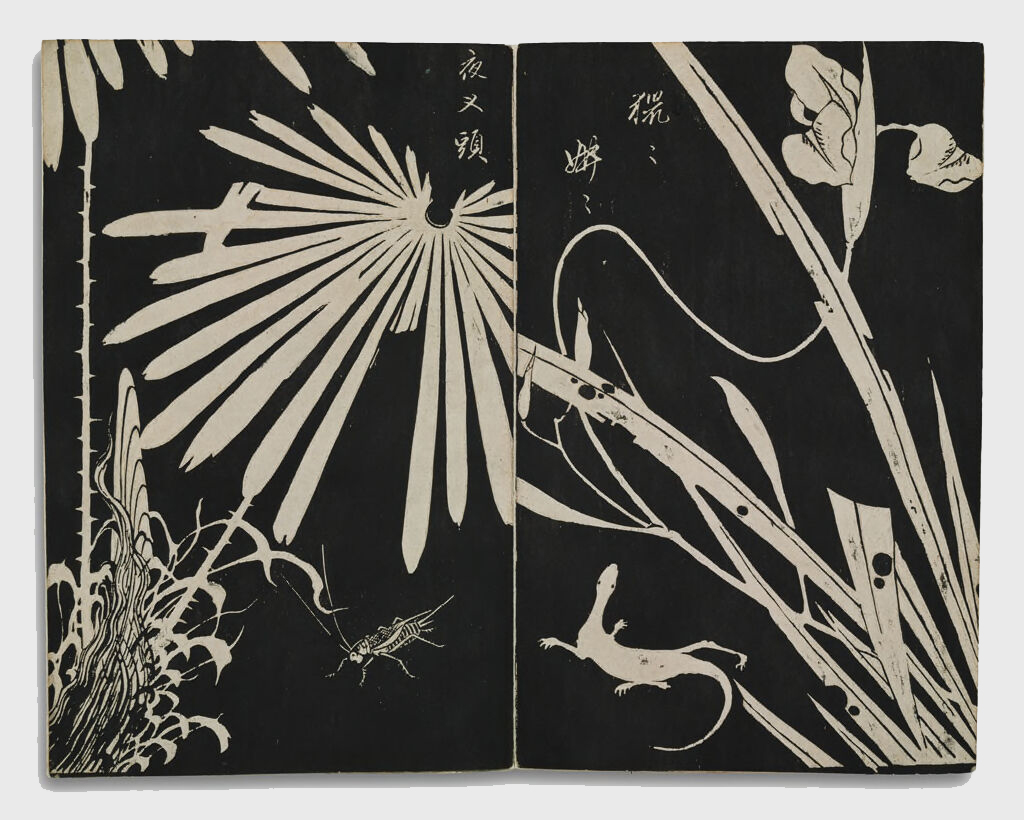
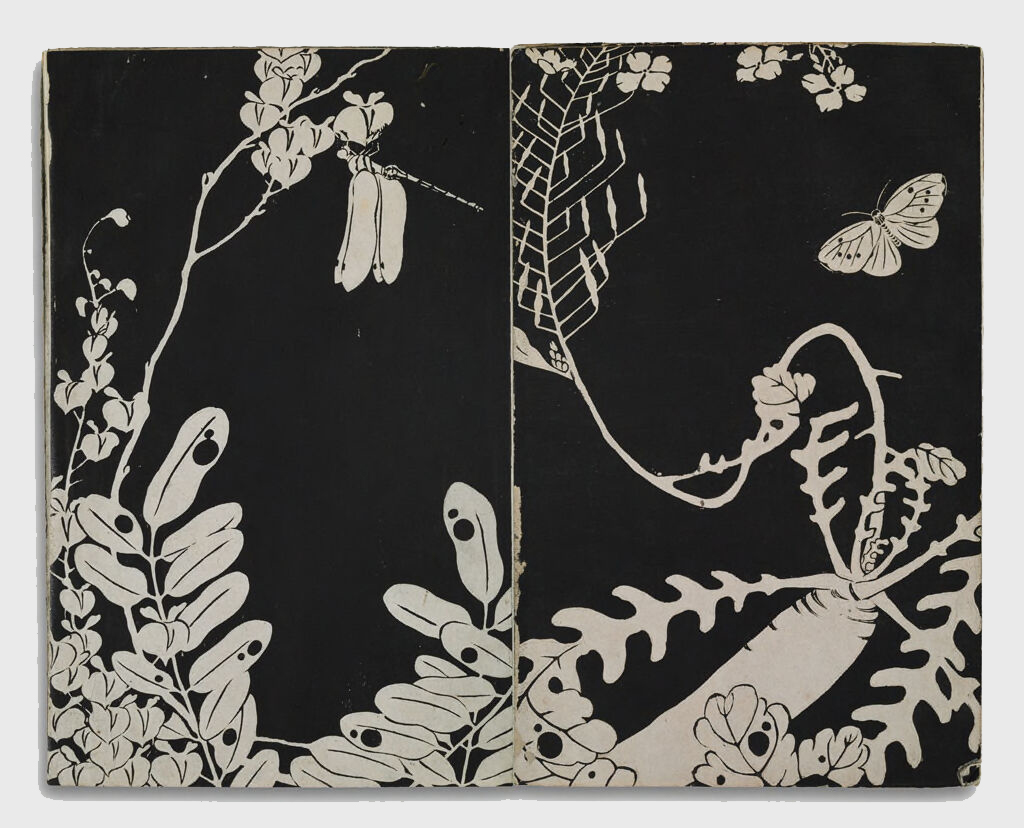
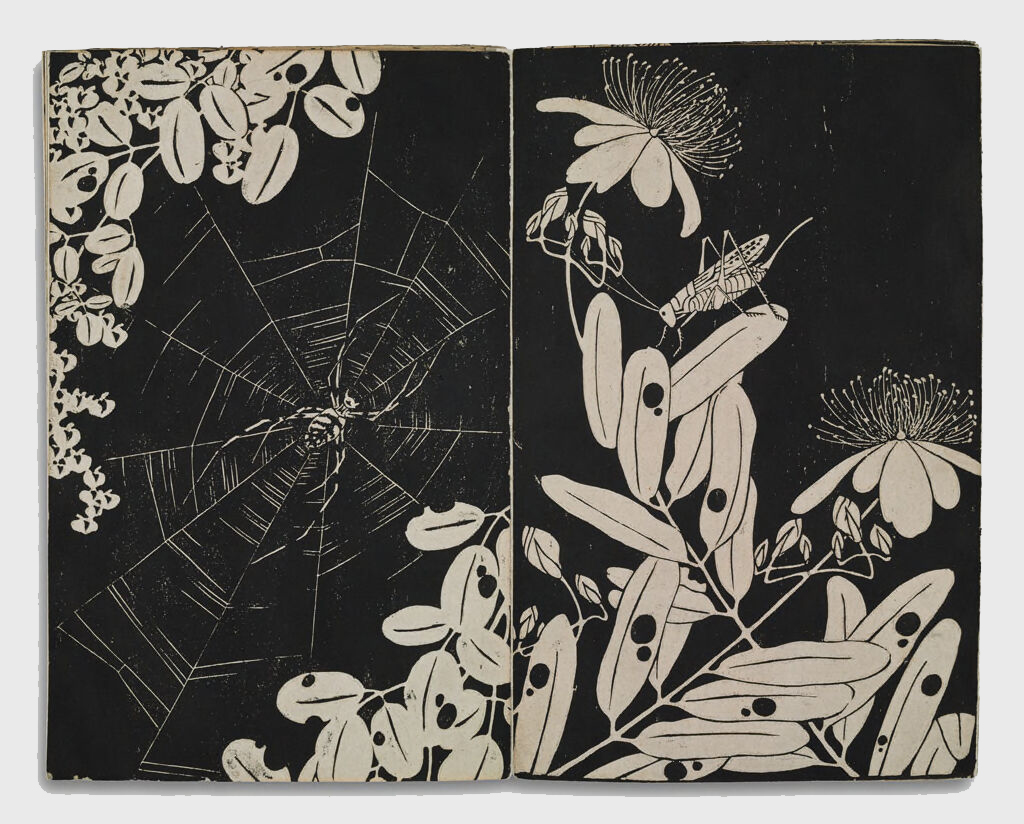
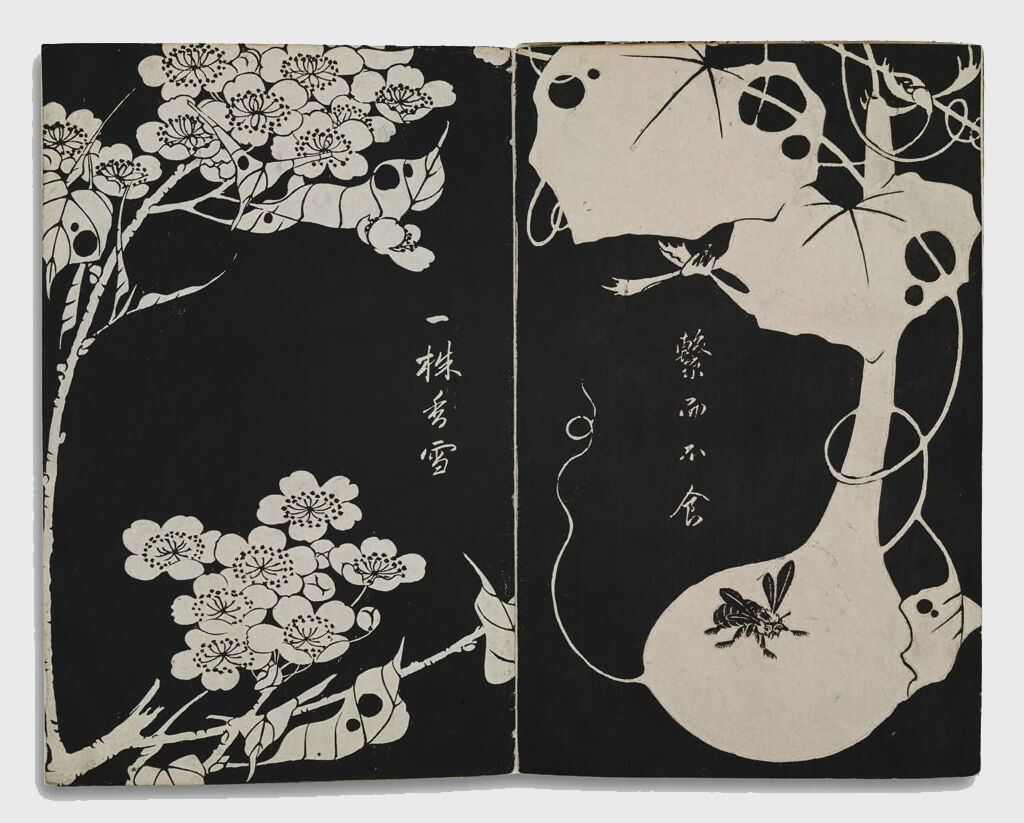
Jakuchu produced the accordeon-fold book, when he was 53 years old, using a technique called “taku-hanga”, or woodblock ink rubbing. The white sections correspond to concave sections carved into the woodblock. Moistened paper would be pressed against the woodblock, with ink then applied to the surface in a manner that left the concave sections untouched.
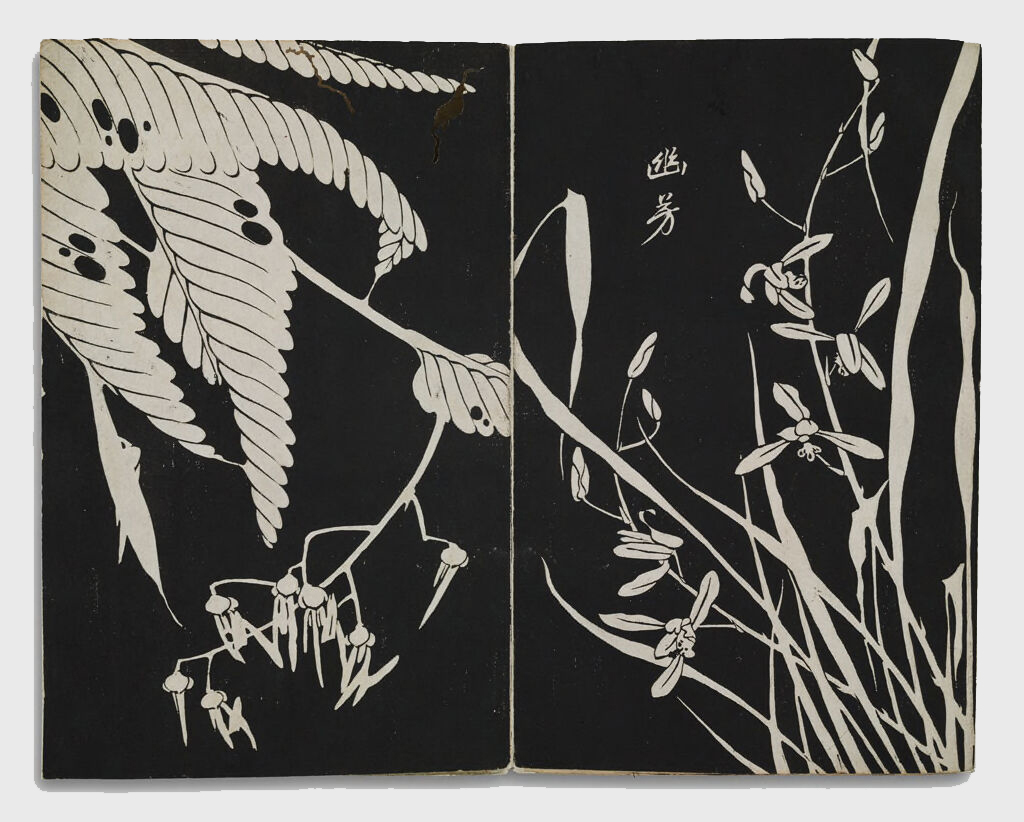
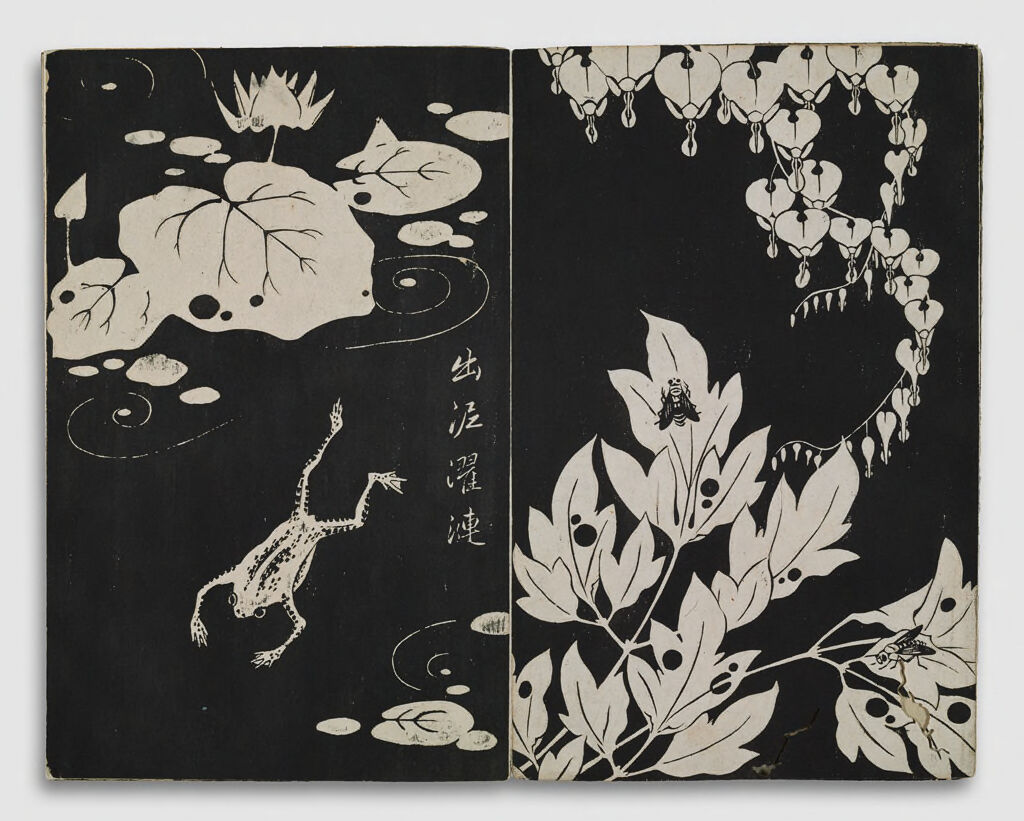
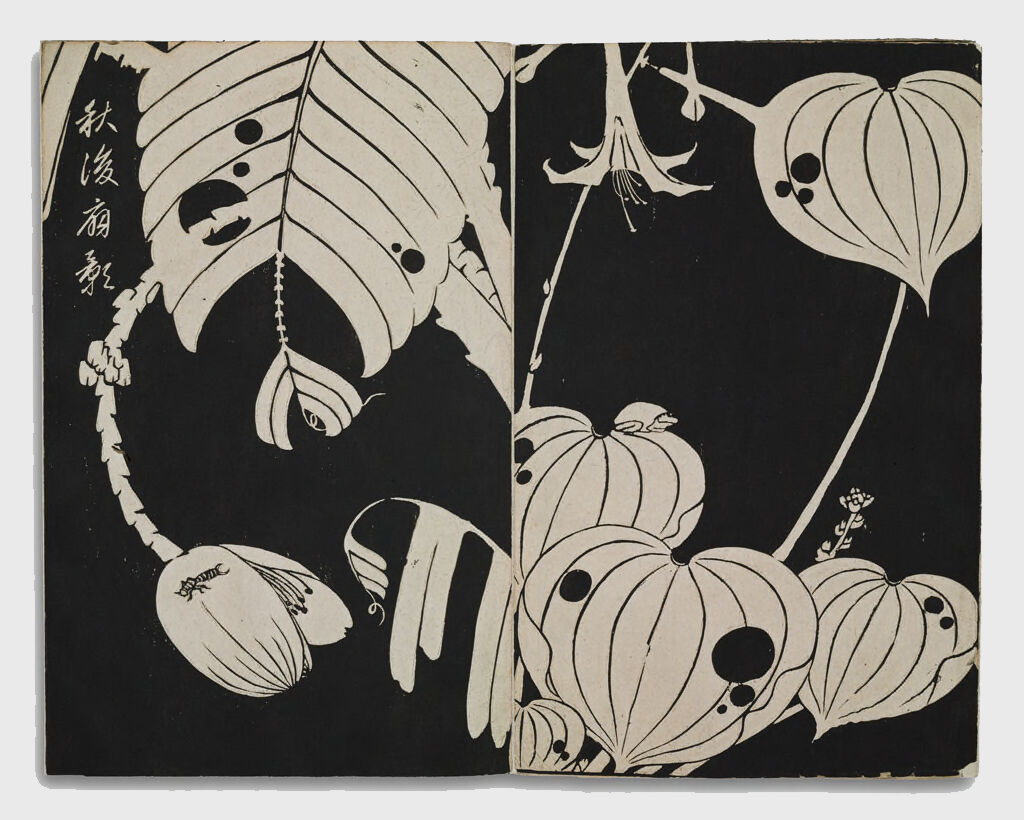
Ito Jakuchu has depicted several flowering plants, vegetables and insects. These are not fantasy flowers but botanically accurate depictions, here i.e. you see the “bleeding heart” in the right hand corner.
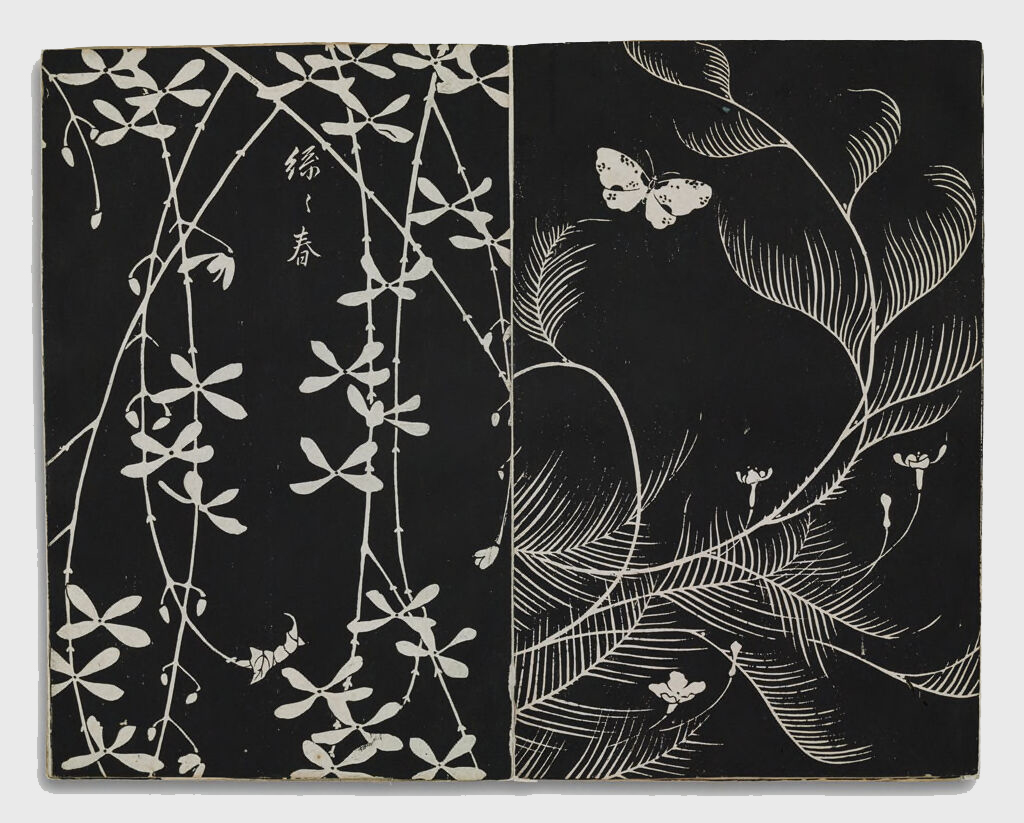
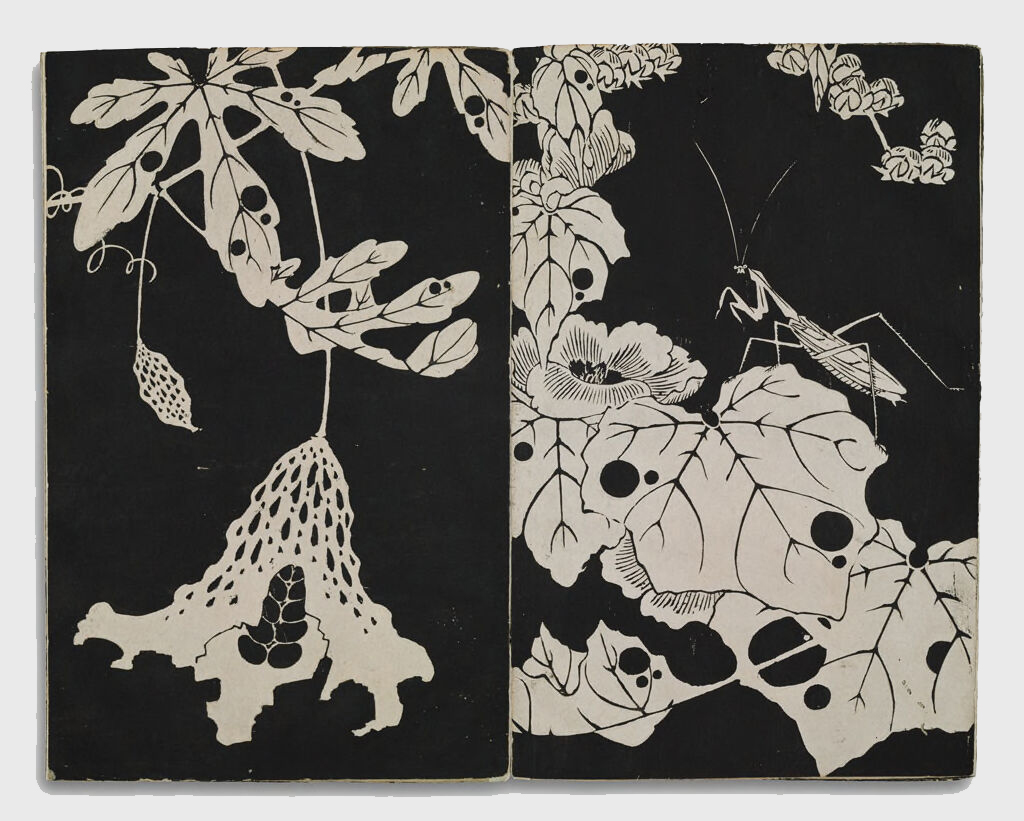
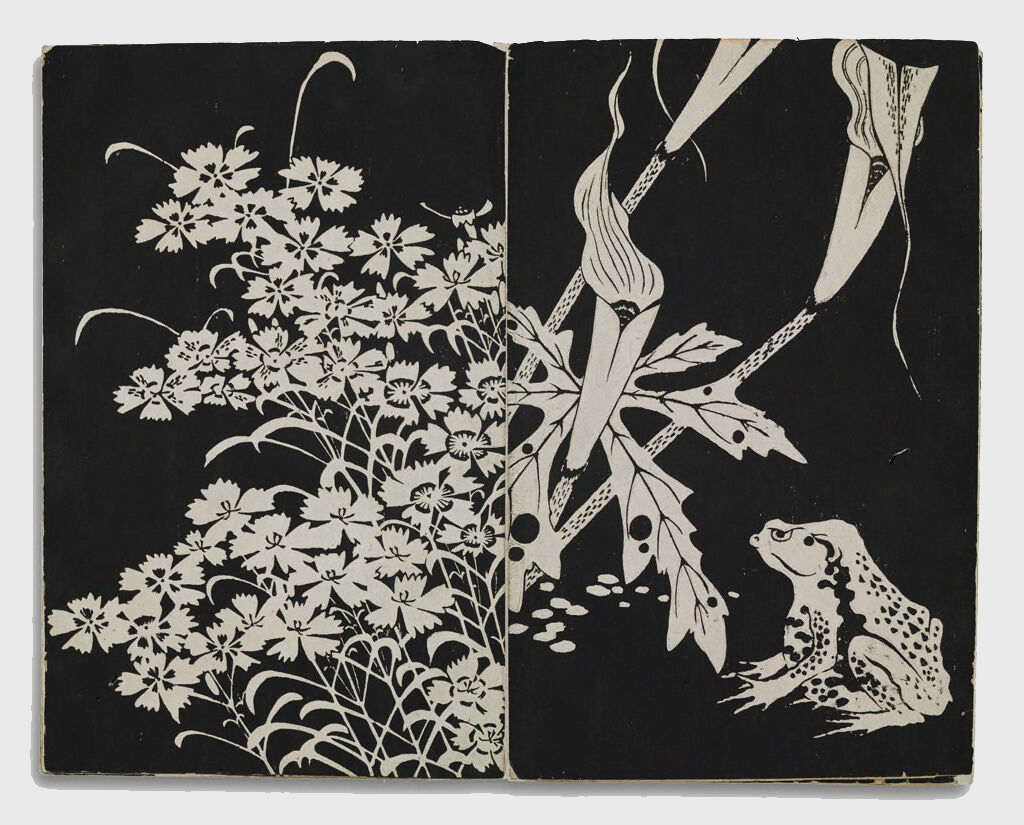
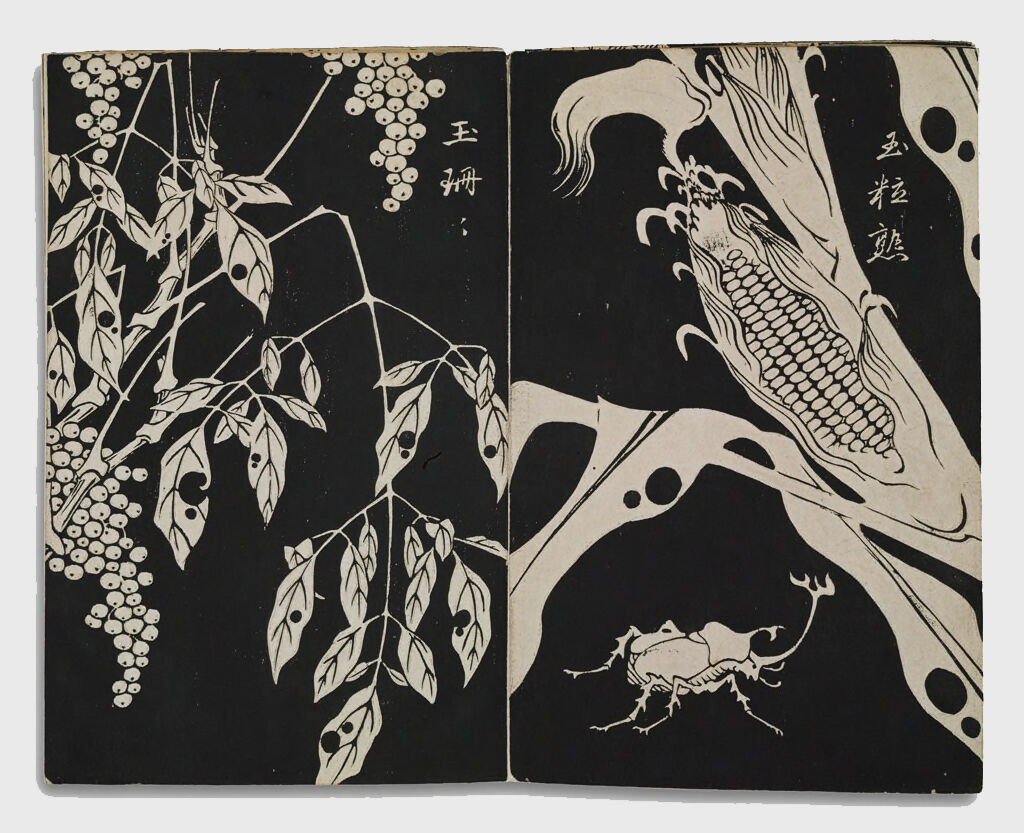
Jakuchu is said to have drawn the original sketches and carved them onto the woodblocks himself. The white motifs rise up dramatically against the black background to form a bold contrast between light and dark. The distinctive atmosphere of the work is enhanced by a meticulous attention to detail, with Jakuchu even punctuating the leaves with holes left by insects, for example.

Ito Jakuchu, whose last name means “like the void” (it was taken from the Tao Te Ching), lived in Kyoto and was associated with various religious, literary, and artistic circles. The so-called Eccentric painters (really a kind of post hoc designation rather than an actual school) became famous for their idiosyncratic expressions and experimentation within the discipline of traditional Japanese painting.
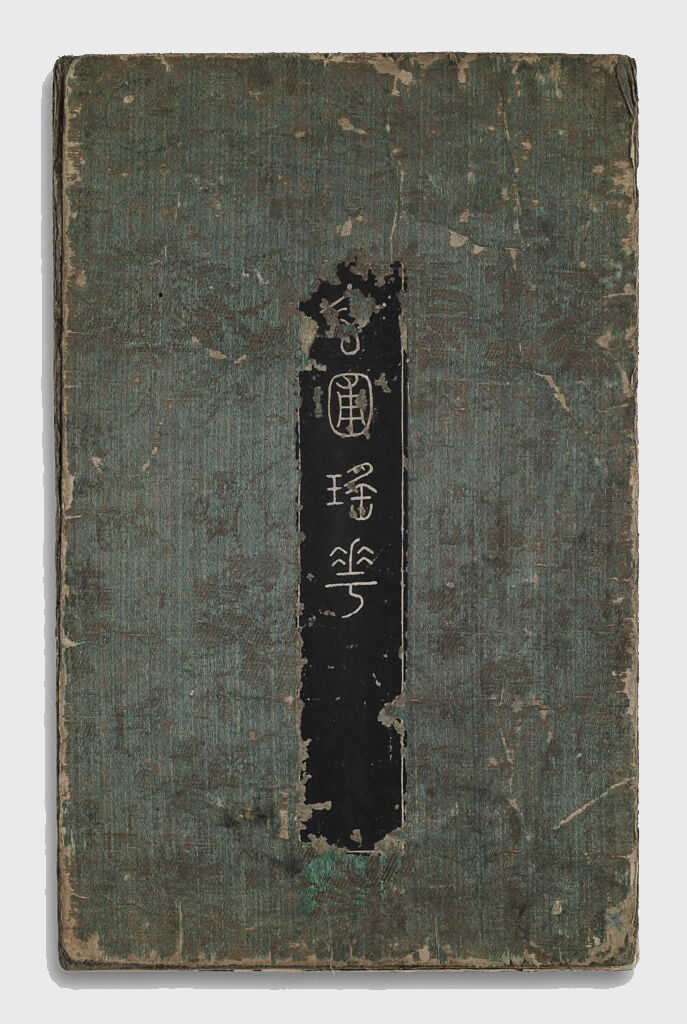
The original is now in the Harvard Art Museums. Other copies or prints of this series are also preserved in Japanese museums such as the Tokyo National Museum.
Medium: Accordion-fold book of prints; sumi ink and white ‘gofun’; cardboard covers. Dimensions H. 28 x W. 17.8 cm (11 x 7 in.) Main source of the copy: ColBase, Japan
 Design is fine. History is mine.