It was Mother Ann Lee, who not only saw herself as the reborn Christ but established a community in the States – emerging in the late 18th century and flourishing into the 19th century – that would become renowned for its innovative and practical approach to design and craftsmanship.
Hands to work, hearts to God … The Shakers differed from other communal groups in their strict religious principles. Shaker life was modeled on the vision of a heavenly kingdom, in which true simplicity was the cardinal principle. Purity of spirit, harmony, and order were the most valued virtues of the Shakers. The qualities of harmony and order were translated into the design of everyday items made by trained craftsmen.
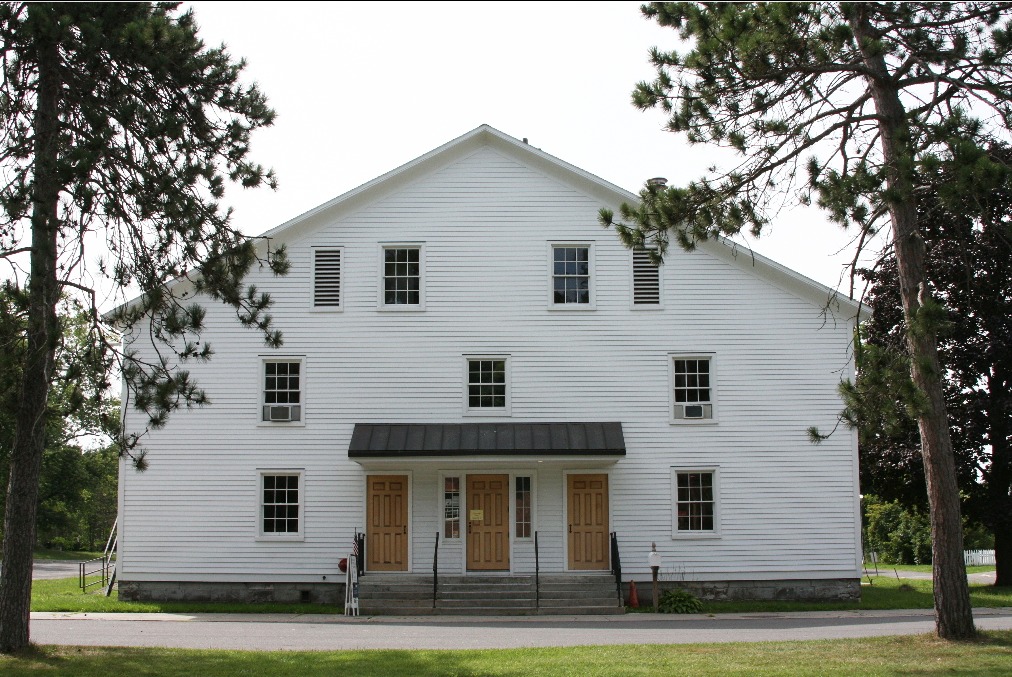

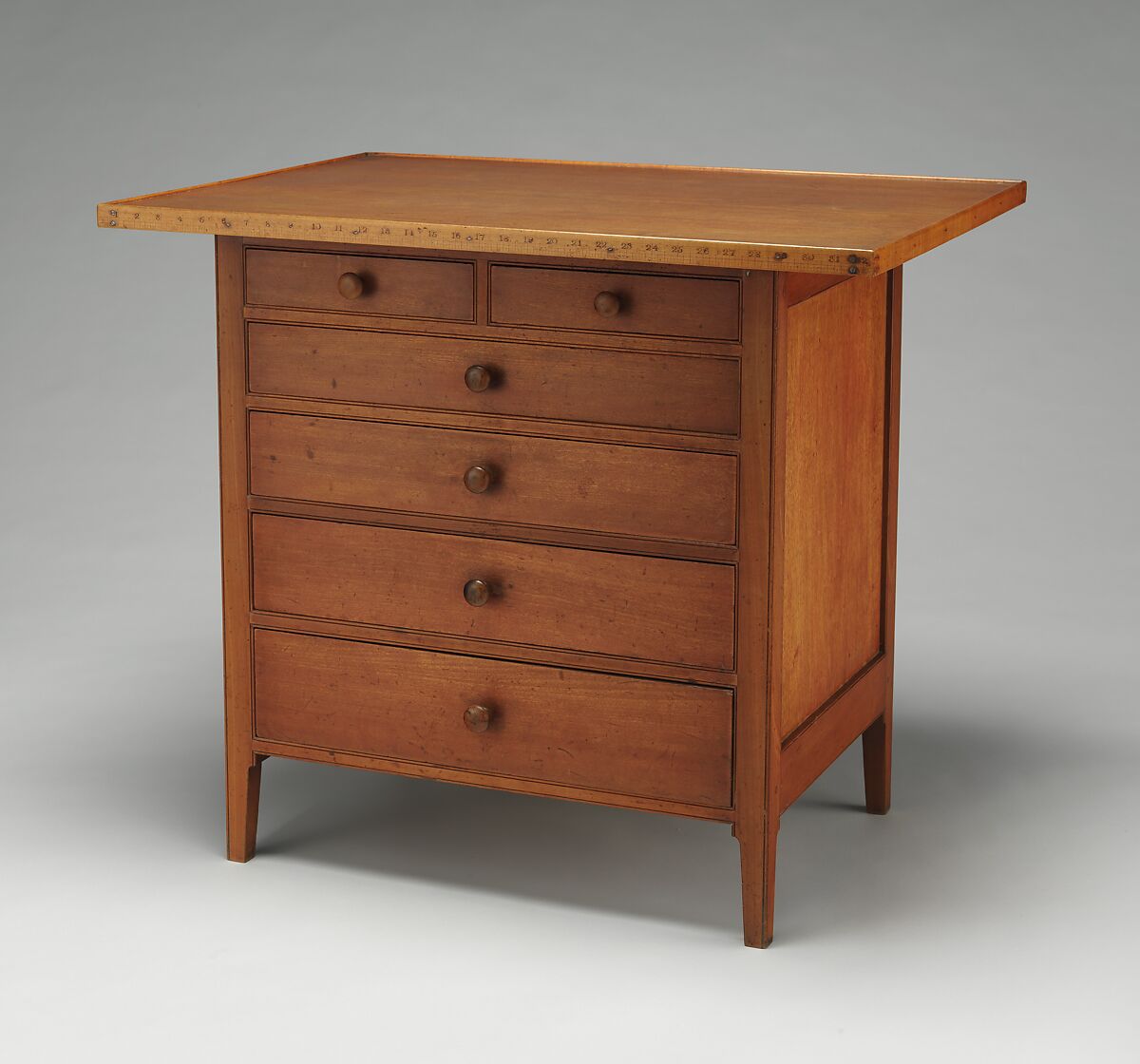
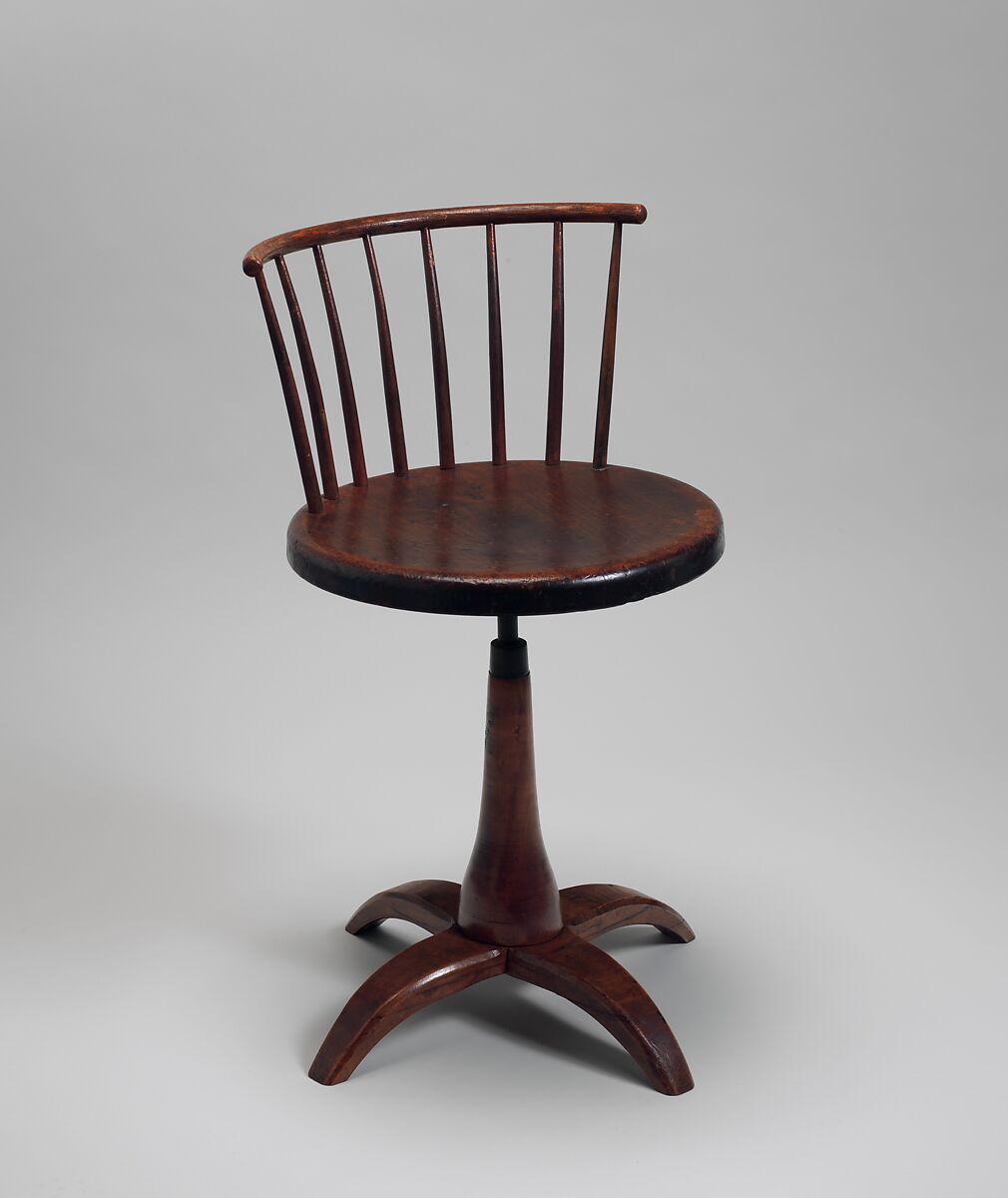
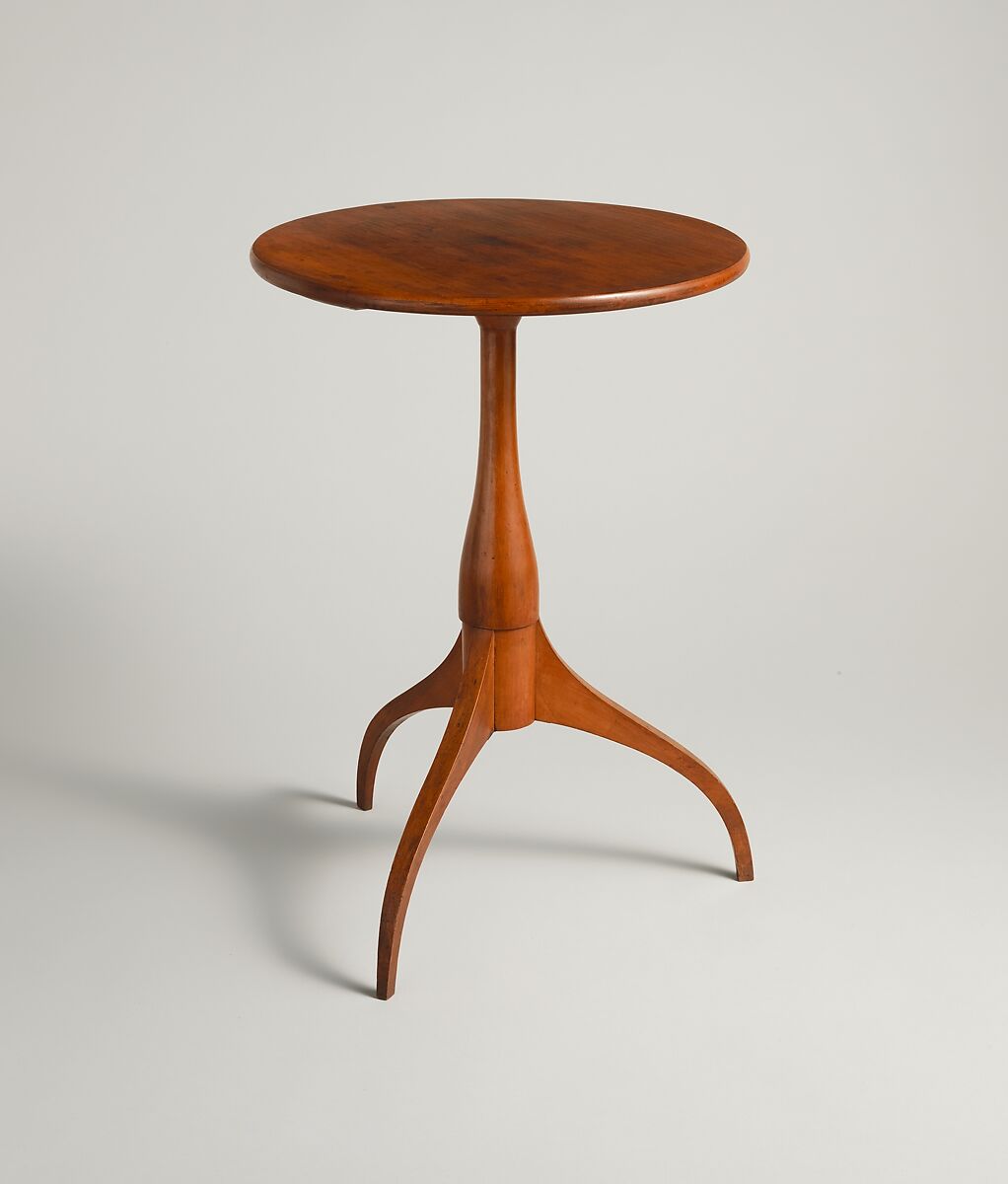
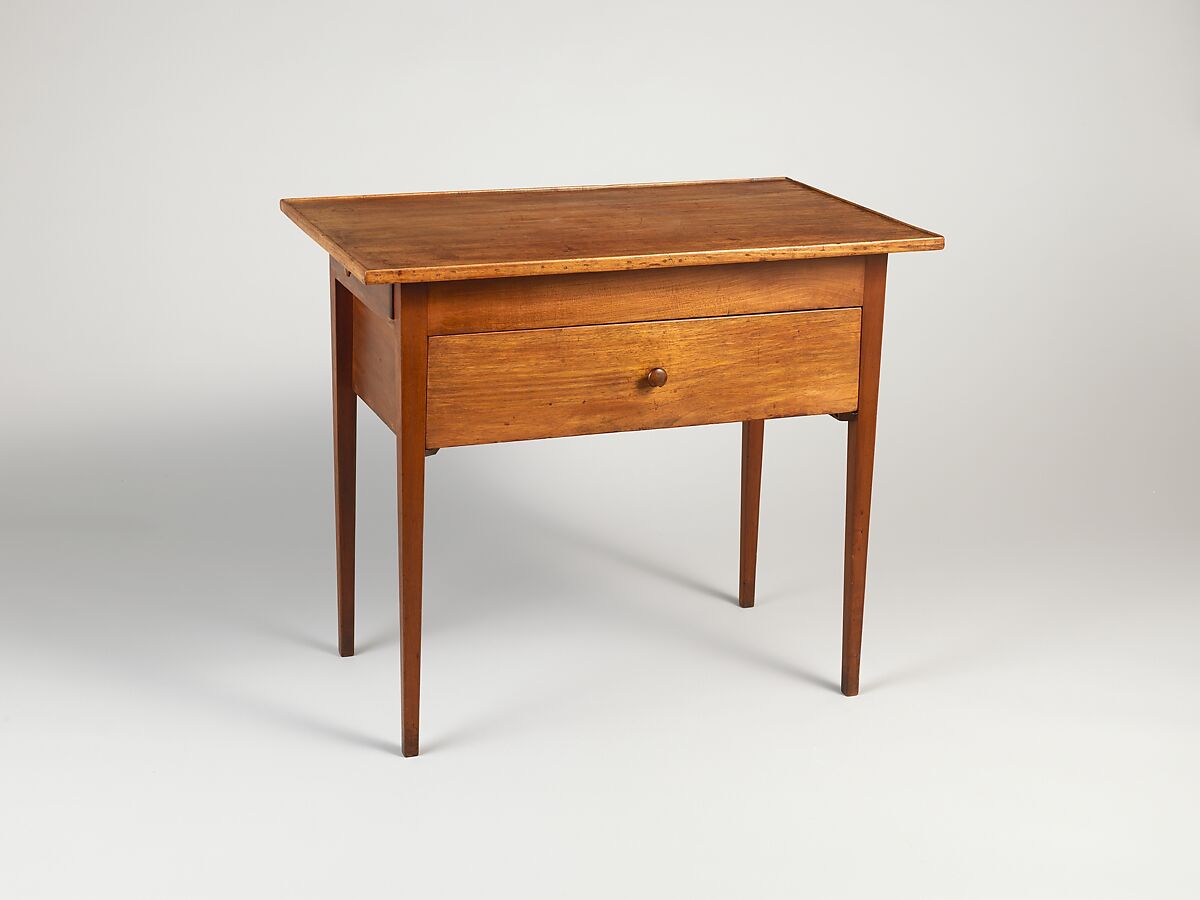
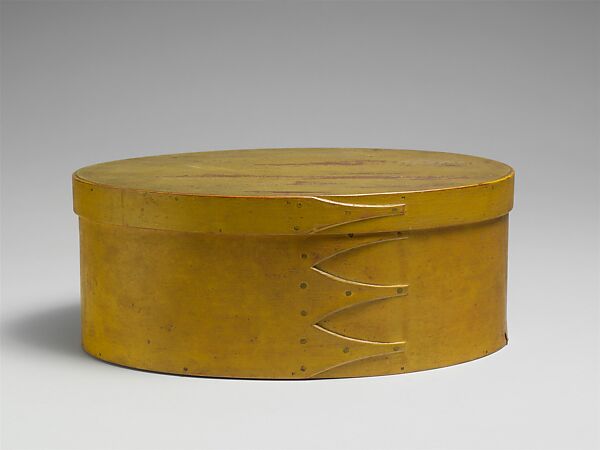
Shaker design is characterized by simplicity of form, harmonious proportions, good workmanship, and utility. Since ornate forms represented a worldliness they had renounced, the Shakers kept decoration to a minimum and did not use veneers.
The Shakers are credited with many innovations, but out of sheer modesty they didn’t patent most of them. One hundred inventions are registered, and 37 have been verified: these include professional washing machines, apple peelers, dough mixers, fire doors, fly swatters, nail scissors, flat brooms or packaged seeds. Sister Tabitha for example did not only invent industrial nails or false teeth, she optimized the circular saw.
The Shakers’ utopian vision of an egalitarian society led to the development of a cooperative production system. Machines were used to free up more time for prayer and the necessities of life. Thus, furniture, like everything else, was faithfully reproduced from models made with machines to save time. Famous are the oval wooden boxes in four standard sizes.
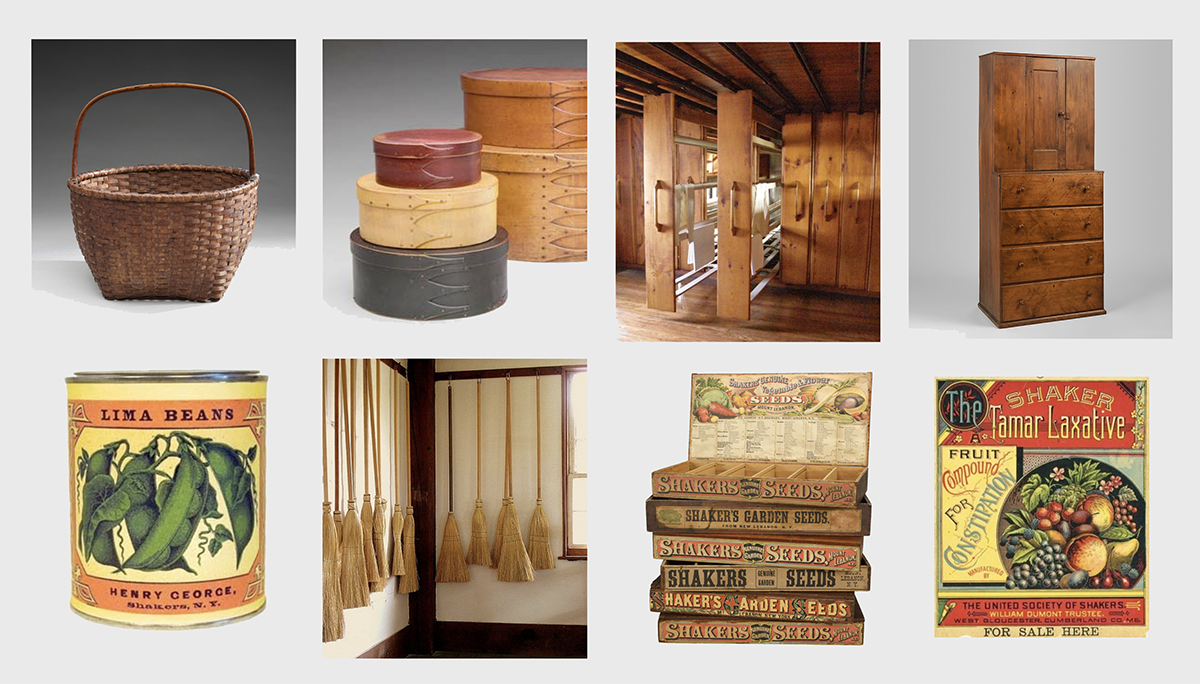
They embraced new technologies such as electricity and automobiles, i.e. by 1909 they were already using them to visit the neighbourhood communities – something that distinguished them from many other religious groups of the time. Their invention of the automatic washing machine with powered agitators was a groundbreaking development, showcased at the 1876 World Exhibition in Philadelphia. This invention was a game-changer for hotels worldwide, where the demand for cleanliness was high. At the same exhibition, the Shakers discovered Thonet’s bentwood furniture from Vienna, which inspired them to adopt and integrate this technique into their own designs.
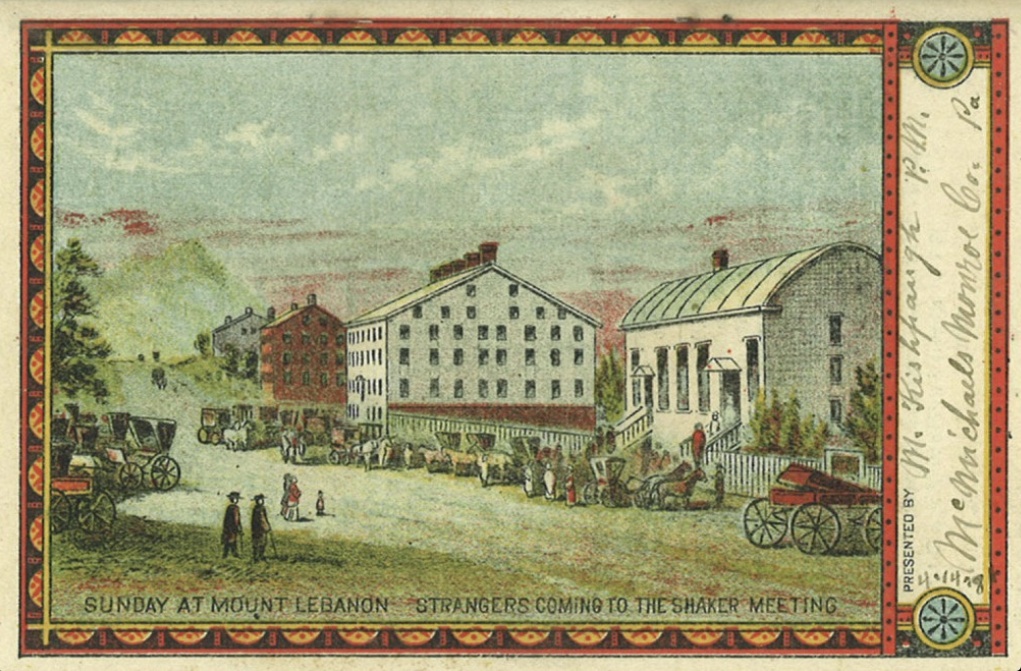
Their influence on photography was significant, as they were early adopters and helped popularize this new medium. The packaging of their good was early corporate design and they used ads, brochures or postcards for advertising.
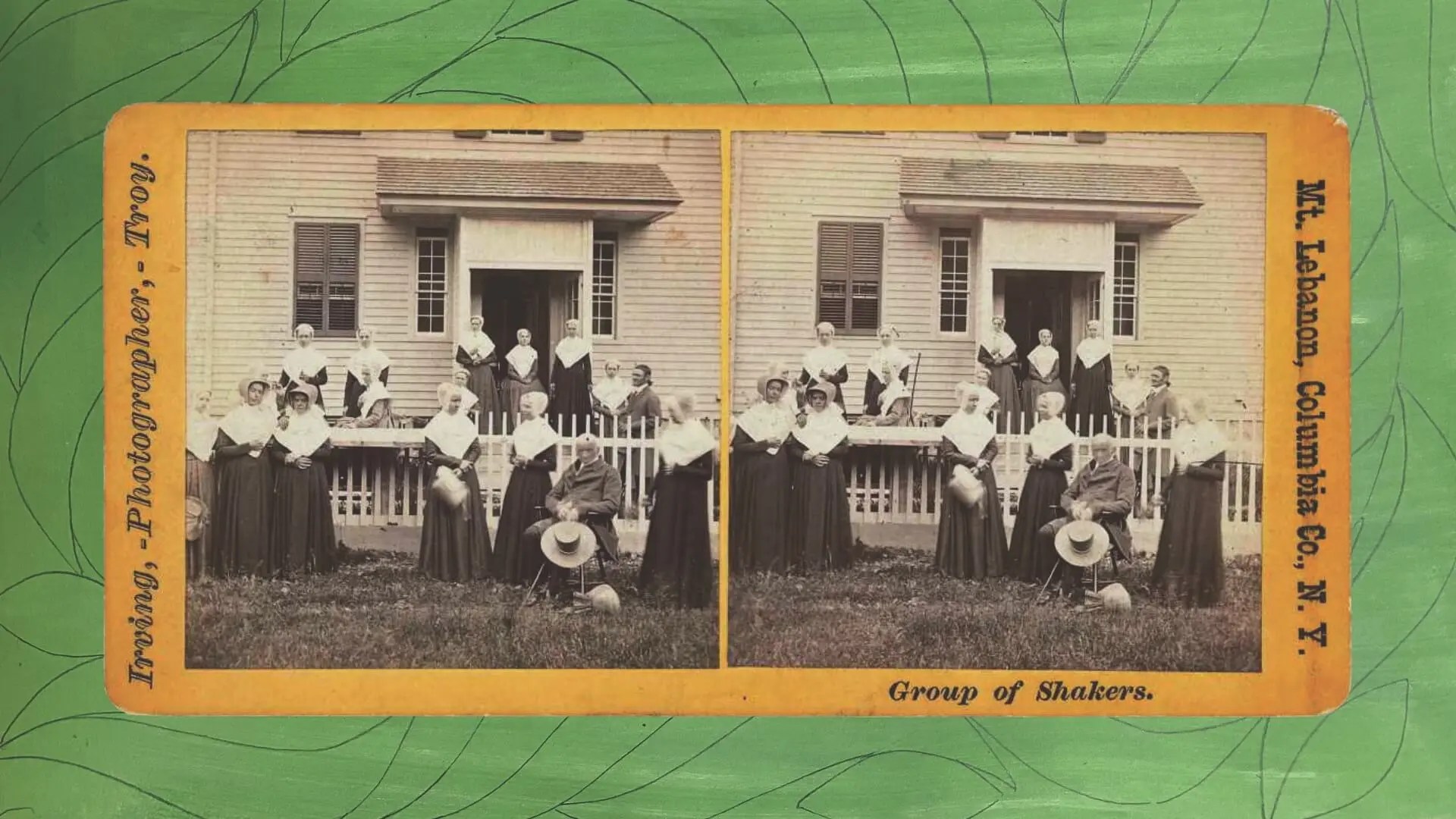
Their ability to adapt to new technologies and integrate them into their lifestyle and craftsmanship is a testament to their forward-thinking approach and entrepreneurial spirit. The Shaker legacy continues to influence modern design and innovation. My dining table is Shaker style and it is a true approach to the meaningful attitude Design wants to serve.
Interesting read: www.bostonartreview.com
Holding a Mirror to Heaven: Parallels Between the Shaker Era of Manifestations and Early Spiritualism Movements, Feature by Laura Campagna and Maria Molteni
 Design is fine. History is mine.